

Ferritin Face What Your Appearance Cannot Tell You About Low Iron Levels

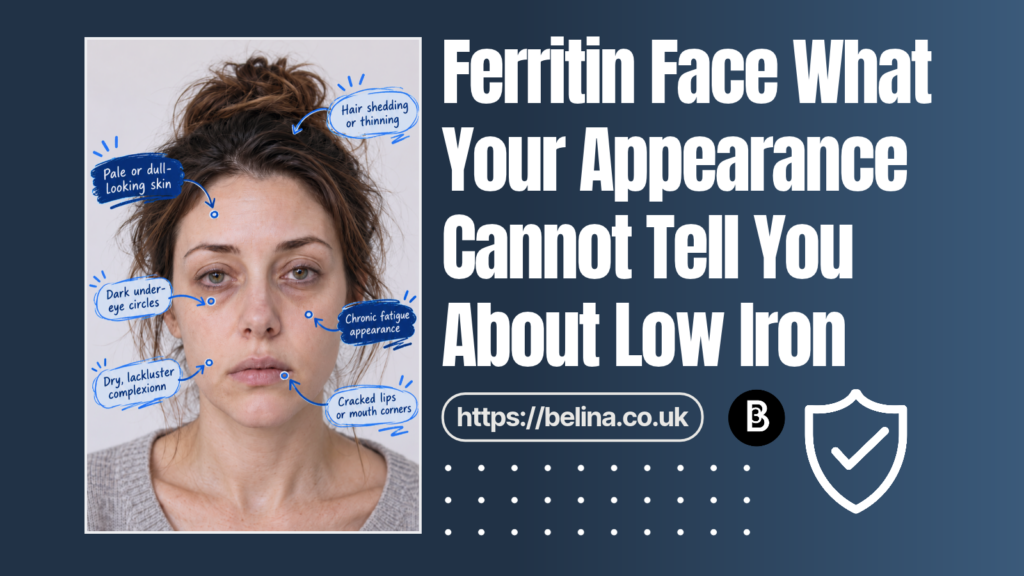
Ferritin face offers a tempting explanation for looking tired: perhaps the shadows under your eyes or changes in your hair reflect low iron. However, a photograph cannot measure your iron stores. Persistent symptoms deserve attention, but a social media label cannot replace clinical assessment.
The BBC story that prompted this guide asks if people can identify low iron from their appearance. This article examines that question through NHS and specialist guidance, then answers the search questions readers are asking about ferritin, symptoms and recovery.
For the escort community and readers of this blog, health information should help with everyday decisions without adding pressure to look a certain way. The useful outcome is knowing when to seek help and what to discuss, rather than finding another perceived flaw in the mirror.
Key Takeaways
- Ferritin face is an online label rather than a recognised medical diagnosis.
- Low iron stores can develop before haemoglobin falls enough to cause anaemia.
- Facial appearance and dark circles cannot establish your ferritin level.
- Blood tests and clinical history help identify deficiency and its cause.
- Iron treatment needs an appropriate plan and follow up rather than guesswork.
- Seek urgent help for severe breathlessness or a tight or heavy chest.
Ferritin Face Explained
Online posts use ferritin face to connect a tired looking complexion, under eye shadows and hair changes with depleted iron stores.
The difficulty lies in treating that collection of observations as a diagnosis.
Some physical changes can accompany iron deficiency or anaemia. Nevertheless, lighting, camera settings and ordinary variation make appearance comparisons especially difficult to interpret. A before and after portrait cannot establish what caused a change or demonstrate that a supplement will produce the same result for someone else.
Ferritin face also risks narrowing attention to people who match the pictures circulating online. Someone who looks well may still need assessment.
Equally, looking pale or tired does not prove an iron problem.
The appropriate question is not how closely you resemble a creator’s photograph. It is how you feel, what has changed and which investigations a clinician considers appropriate. The British Society for Haematology describes iron deficiency as a spectrum, including stages without obvious symptoms.
Iron Stores and Anaemia
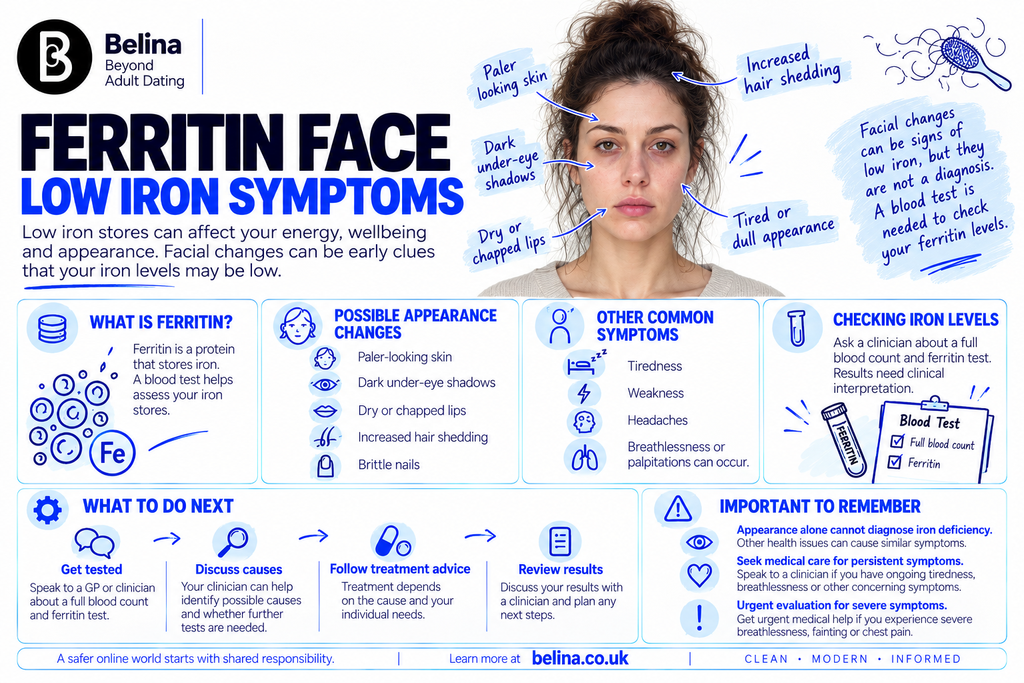
Ferritin is a protein that stores iron. A ferritin blood test helps clinicians assess those reserves. Haemoglobin performs a different job: it carries oxygen within red blood cells.
Iron deficiency means the body does not have sufficient available iron for its needs. Iron deficiency anaemia develops when iron deficiency reduces haemoglobin below the relevant threshold. Consequently, a normal haemoglobin result does not always exclude depleted iron stores.
Royal United Hospitals Bath guidance explains non-anaemic iron deficiency and the need to interpret symptoms in context. Some people experience fatigue, concentration difficulties or changes affecting their tongue, hair or nails.
Ferritin face obscures this distinction when it uses iron deficiency and anaemia as interchangeable labels. Blood results answer different questions, and neither the name of a test nor one isolated number tells the whole story.
Symptoms Beyond Appearance
NHS guidance on iron deficiency anaemia identifies tiredness, breathlessness, palpitations, paler skin and headaches among possible symptoms. These features have other causes too.
What matters during an appointment is the pattern. Explain if an ordinary staircase has become unusually difficult, if fatigue interrupts daily activities or if symptoms persist despite rest. Changes in physical capacity can be more useful to discuss than a selfie.
The World Health Organization also describes dizziness, cold hands and feet, and reduced physical work capacity in anaemia. However, anaemia itself has several possible causes; iron deficiency is only one.
Ferritin face should therefore encourage questions, not close them down. Do not assume that every symptom comes from iron or that a normal looking complexion rules out illness.
Why Iron Runs Low
Iron stores can fall through blood loss, insufficient intake, increased requirements or difficulty absorbing iron. Sometimes more than one factor contributes.
Heavy periods deserve particular attention. The NHS heavy-periods guide describes clues such as frequently changing period products, prolonged bleeding and bleeding through clothes. Tell a GP if periods interfere with everyday life or accompany persistent tiredness.
Pregnancy changes iron requirements, while digestive conditions can affect absorption. NHS inform also explains that bleeding in the stomach or intestines can cause deficiency. Investigation depends on symptoms, age, medical history and other findings.
Finding the cause matters alongside replacing iron.
A ferritin face video cannot establish that diet is responsible or exclude ongoing bleeding. Tell your clinician about medicines, supplements, digestive symptoms and any bleeding you have noticed.
What Blood Tests Show
A full blood count assesses haemoglobin and other blood cell measurements. Ferritin helps assess iron stores; clinicians may request additional iron studies or tests for inflammation when needed.
British Society of Gastroenterology guidance states that;
- ferritin below 15 micrograms per litre indicates absent stores
- values below 30 generally indicate low stores.
These figures provide clinical context, not a universal treatment target for everyone.
- Ferritin can rise during infection or inflammation.
North Bristol NHS Trust specifically notes this limitation. An apparently normal or high result may therefore need interpretation alongside other findings.
Avoid adopting an influencer’s preferred ferritin number. A clinician should explain what your result means for your circumstances, including pregnancy or inflammatory illness. Ferritin face cannot supply that interpretation.
Preparing for Your Appointment
Bring a short account of your symptoms: when they started, how often they occur and how they affect daily life;
- Include changes in periods
- Changes in diet or exercise
- Medicines and supplements you take.
Useful questions include asking which tests you have had, what they show and how the clinician plans to investigate the cause.
Request clarification if someone says your blood tests are normal but you do not know which measurements they mean.
Avoid arriving with a demand for a particular treatment based on ferritin face content. Explain the concern behind it instead. You can say that fatigue or hair changes prompted you to ask about iron without claiming certainty about the diagnosis.
Finally, agree how you will receive results and what to do if symptoms continue. Keep copies for your own records rather than posting identifiable laboratory reports online.
Treatment and Follow Up
Treatment depends on the confirmed problem and its cause. Oral iron often forms part of the plan; some people need a different preparation or specialist treatment.
The NHS ferrous sulfate guidance says people commonly begin feeling better after three to four weeks, although the medicine can take two to four months to work fully. Individual recovery varies.
- Replacing iron stores can take longer than improving symptoms.
Follow the prescribed duration and repeat test plan. Ask a pharmacist or clinician about side effects instead of silently abandoning treatment or increasing the dose yourself. The NHS instructions on taking ferrous sulfate cover timing, interactions with foods and missed doses.
- Keep iron away from children, overdose can be fatal.
Ferritin face is not a reason to combine multiple iron containing products or arrange an infusion without medical assessment.
Food Without Miracle Claims
Food supports adequate iron intake, but a dietary change does not replace investigation of unexplained deficiency.
The NHS iron guide lists beans, nuts, dried fruit, fortified cereals and meat among iron sources. A varied diet can include animal foods, plant foods or both; eating meat is not a requirement for every reader.
The British Dietetic Association explains that;
- vitamin C helps absorption of plant-based iron
- while tea and coffee can reduce absorption
A dietitian can help if restrictions or difficulties with eating make adequate intake challenging.
Ferritin face marketing often makes one food, drink or supplement sound decisive. In practice, the useful plan considers your overall intake, medical findings and any continuing iron loss. Avoid promises of an overnight change in skin or hair.
Working Around Symptoms
Escort work can make it difficult to arrange appointments or take time away. That practical difficulty does not establish a medical cause for tiredness, and working in adult services does not itself prove greater risk of iron deficiency.
If symptoms affect your ability to travel, concentrate or manage commitments, discuss them with a clinician. You do not need to explain your appearance with clients or publish medical information to justify changing your availability.
Ferritin face can be particularly unhelpful when people already feel pressure to produce flattering photographs. A health concern deserves assessment on its own terms. Belina’s online safety guide provides related advice on protecting personal information during online interactions.
Checking Health Claims
Before acting on ferritin face content, check who published it, which evidence supports it and if the creator sells the recommended product.
A personal account can describe a real experience without establishing a diagnosis for viewers.
Look for sources that distinguish low iron stores from anaemia, explain uncertainty and discuss causes. Claims that everyone needs the same ferritin target or supplement deserve particular scrutiny.
- Keep photographs in perspective.
They cannot show haemoglobin, account for inflammation or confirm that treatment addressed the original cause. A useful article should help you ask informed questions rather than turn a search term into a medical prescription.
Protecting Health Information
Laboratory reports may display your name, date of birth and other identifiers. Consider who can see a post before sharing one, including screenshots sent through private messages.
The ICO explains that health information is special category personal data. Organisations handling it must consider the relevant UK GDPR requirements and additional processing conditions.
For readers of this blog, the practical message is to keep medical discussions with appropriate healthcare professionals. Ferritin face discussions do not create an obligation to disclose results to another platform user. General information online cannot provide a private clinical consultation. Belina’s privacy and website security guide covers the separate issue of protecting information online.
When Help Is Urgent
Do not attribute severe symptoms to low iron and wait for a routine blood test. NHS breathlessness guidance advises emergency help for severe difficulty breathing or a tight or heavy chest.
- Call 999 if you are gasping, cannot get words out or develop those emergency symptoms.
- Sudden confusion or very pale, blue or grey lips or skin alongside breathing difficulties also requires urgent attention.
For persistent symptoms without an emergency, arrange a GP assessment.
Ferritin face is not a triage tool, and a previous iron result cannot explain every new problem.
Conclusion
Ferritin face captures attention because it connects a visible concern with a possible explanation. Its limitation is just as clear: nobody can read iron stores from a face or photograph.
For readers of this blog, useful health information should reduce guesswork. Discuss persistent symptoms, understand the tests your clinician requests and follow an appropriate treatment plan. The aim is to identify and address the underlying problem, with any change in appearance taking second place to your health.
Frequently Asked Questions
What does low ferritin do to your face?
It does not produce a reliable facial pattern. Iron-deficiency anaemia can cause paleness, and iron deficiency may accompany hair or nail changes. However, facial appearance cannot establish a ferritin result or prove why a change occurred.
How do people feel with low ferritin?
Some feel tired, struggle to concentrate or notice reduced stamina; others have few symptoms. Anaemia can also cause breathlessness or palpitations. These experiences have several possible causes, so symptoms alone cannot confirm iron deficiency.
What drains iron from your body?
Blood loss, including heavy periods or digestive bleeding, can reduce iron stores. Low intake, poor absorption and increased requirements can also create a shortfall. These are different mechanisms, which is why identifying the cause matters.
What hurts when your iron is low?
Headaches, a sore tongue or mouth-corner sores can occur with iron-deficiency anaemia. Restless legs may cause discomfort. However, pain has many causes. Do not assume chest pain or new severe pain comes from iron deficiency.
What happens if you ignore low ferritin?
Depleted stores may progress to iron-deficiency anaemia, and an underlying cause may continue untreated. Established anaemia can cause complications, particularly when severe. Arrange assessment rather than waiting for your appearance to change or symptoms to become disabling.
Is low ferritin a tumor marker?
Low ferritin is not a stand-alone cancer test. It usually points towards depleted iron stores. Clinicians may investigate unexplained deficiency for blood loss or other causes, sometimes including cancer. That possibility does not mean a low result establishes cancer; MedlinePlus explains the wider uses of ferritin testing.